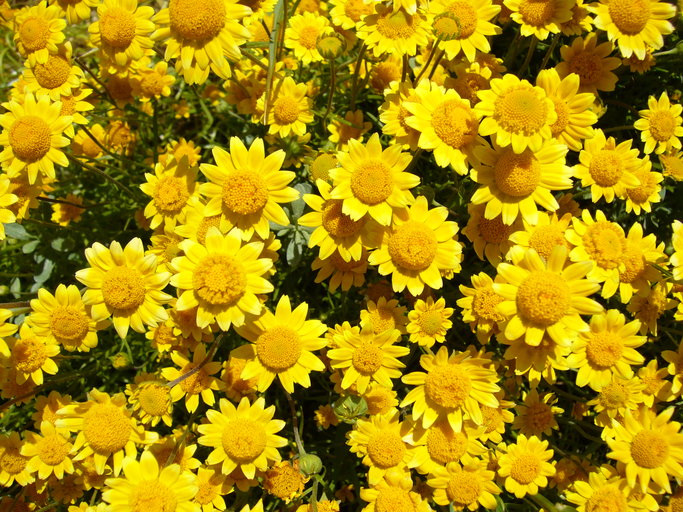
Pollinator plants play an essential role in supporting bees, butterflies, hummingbirds, and other beneficial insects in East Contra Costa County gardens. Bees, butterflies, hummingbirds, and other beneficial insects help pollinate flowers, fruits, and vegetables, increasing productivity while supporting biodiversity.
By selecting pollinator-friendly plants that thrive in East Contra Costa County, gardeners can create beautiful landscapes while providing valuable food sources throughout the growing season.
Why Pollinators Matter
Many of the fruits and vegetables we enjoy depend on pollinators. Tomatoes, squash, cucumbers, berries, and many fruit trees benefit from pollination services provided by insects and birds.
Pollinator populations face challenges from habitat loss, pesticide exposure, and changing environmental conditions. Home gardeners can help by planting a variety of nectar- and pollen-rich flowers.
Top Pollinator Plants for East Contra Costa County Gardens
Zinnias
Zinnias are among the easiest annual flowers to grow and are favorites of butterflies and bees.
Benefits:
- Long blooming season
- Heat tolerant
- Available in many colors
- Excellent cut flowers
Cosmos
Cosmos thrive in summer heat and continue blooming well into fall.
Benefits:
- Attract butterflies and native bees
- Drought tolerant once established
- Easy to grow from seed
- Adds height and movement to garden beds
Lavender
Lavender is a reliable pollinator plant that performs exceptionally well in our Mediterranean climate.
Benefits:
- Attracts bees year-round during bloom
- Fragrant foliage
- Drought tolerant
- Low maintenance
Salvia
Many varieties of salvia provide nectar for bees, butterflies, and hummingbirds.
Benefits:
- Long flowering period
- Heat and drought tolerant
- Available in a wide range of colors
- Excellent for water-wise gardens
Sunflowers
Sunflowers are not only beautiful but also provide food for pollinators and birds.
Benefits:
- Large nectar-rich blooms
- Easy to grow from seed
- Seeds attract songbirds
- Great educational plant for children
California Native Plants
Native plants are especially valuable because local pollinators evolved alongside them.
Consider:
- California Poppy
- Yarrow
- Cleveland Sage
- California Fuchsia
- Buckwheat
These plants typically require less water and provide excellent habitat for native pollinators.
Gardening Practices That Support Pollinators
In addition to planting flowers, gardeners can make their landscapes more welcoming by:
- Avoiding pesticide use whenever possible
- Providing a shallow water source
- Planting a variety of flowers that bloom throughout the year
- Leaving some garden areas natural and undisturbed
- Including native plants in the landscape
Creating a Pollinator Garden
You do not need a large yard to support pollinators. Even a small flower bed, container garden, or border planting can provide valuable nectar and pollen resources.
By selecting plants that bloom at different times of the year, gardeners can help ensure pollinators have food available from spring through fall.
Growing a More Beautiful Community
Pollinator gardens add color, fragrance, and life to our landscapes while supporting the beneficial insects and birds that help our gardens thrive.
Whether you are planting a few zinnias or creating an entire pollinator habitat, every garden can make a difference.
Pollinator Tip
Plant flowers that bloom from early spring through late fall. A continuous source of nectar and pollen provides food for bees, butterflies, hummingbirds, and other beneficial insects throughout the growing season. Avoid using broad-spectrum insecticides whenever possible.
Happy Gardening!
Delta Informal Gardeners
Encouraging gardening through education and community beautification throughout East Contra Costa County.
2 Replies to “Pollinator-Friendly Plants That Thrive in East Contra Costa County”
Comments are closed.